Home
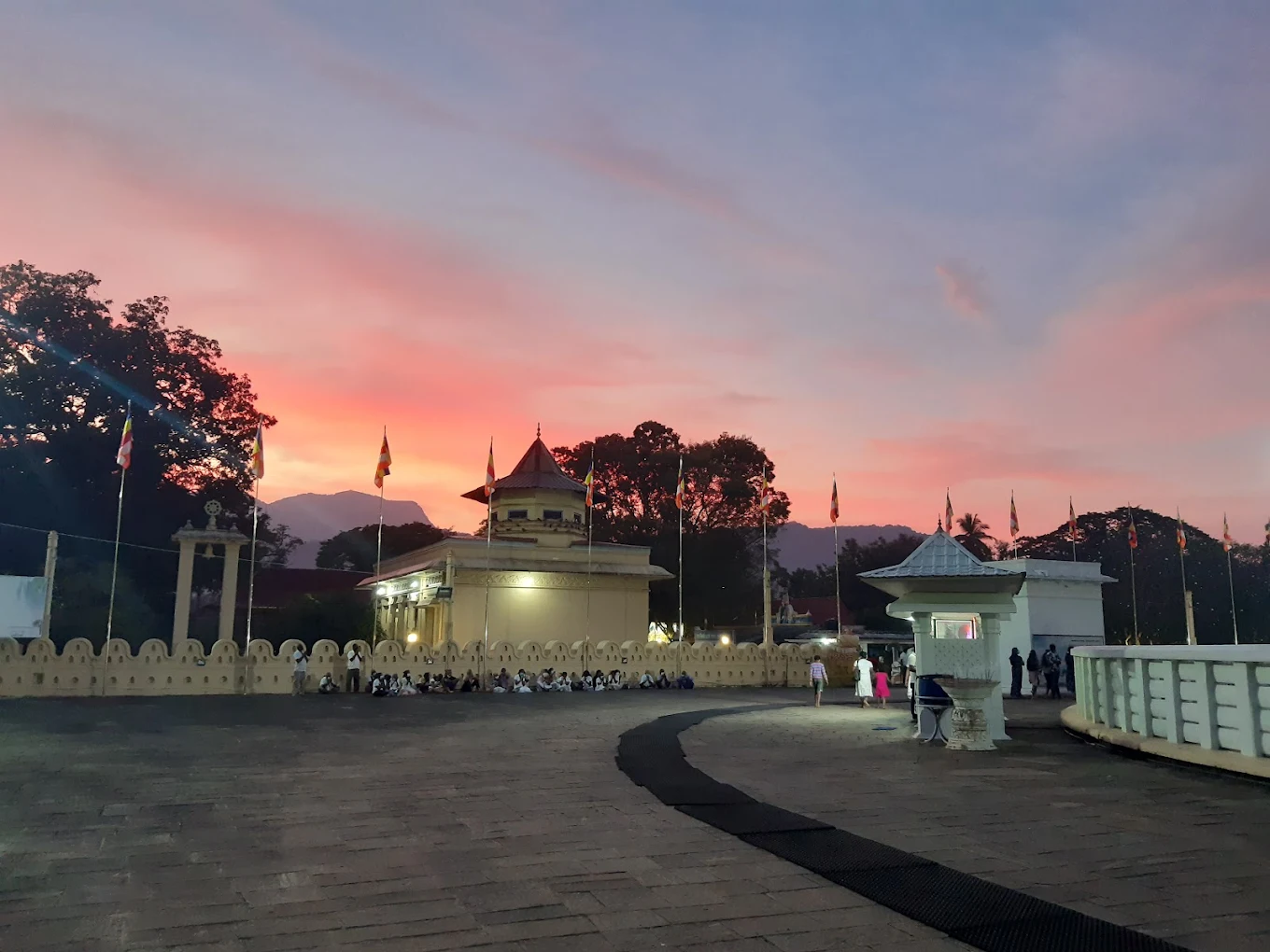
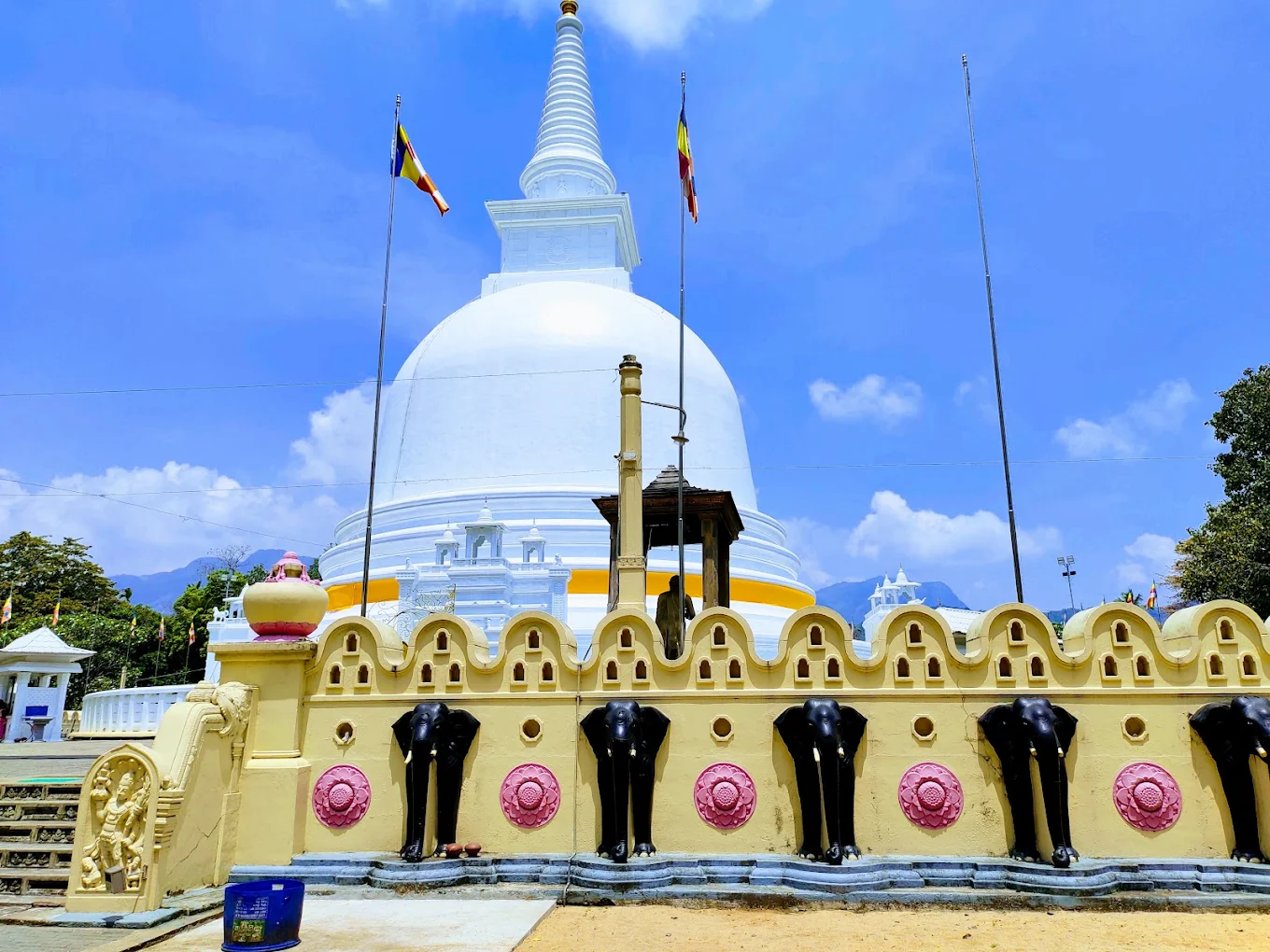
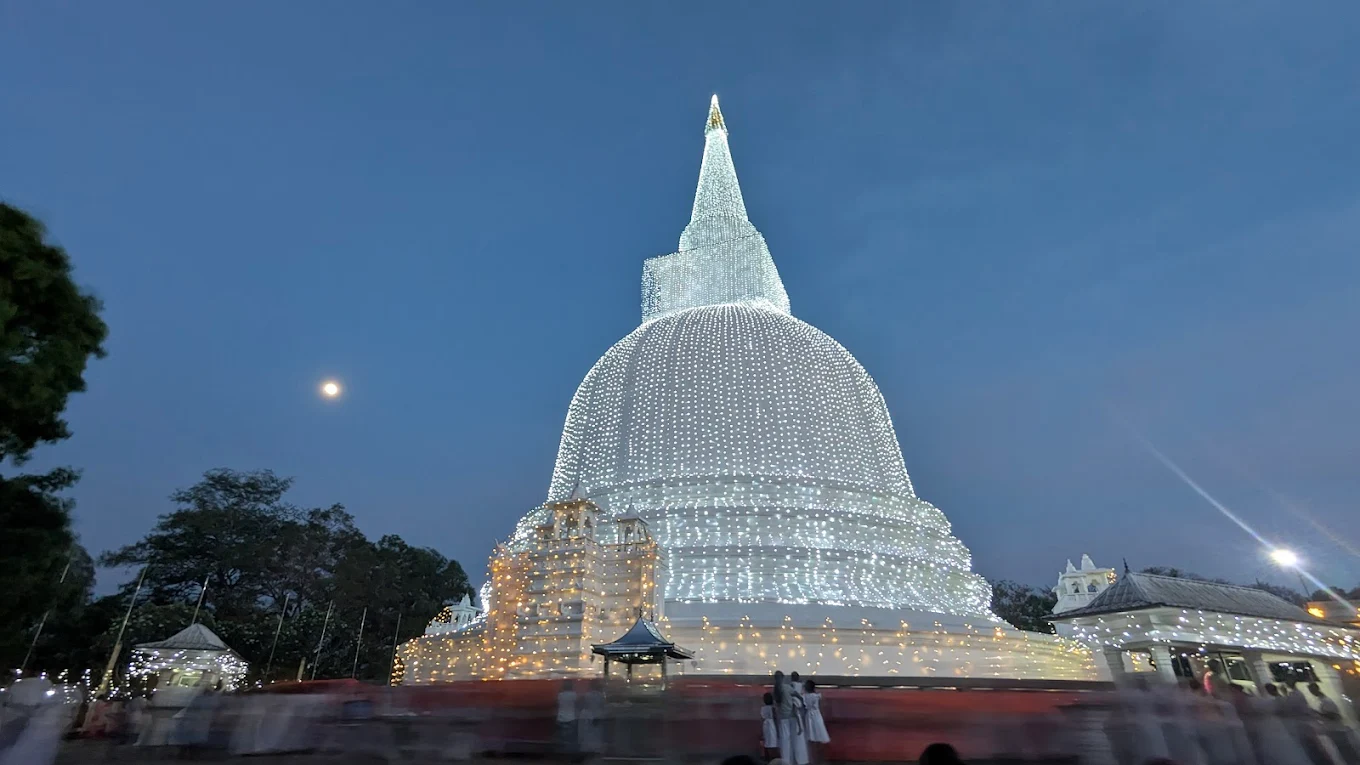
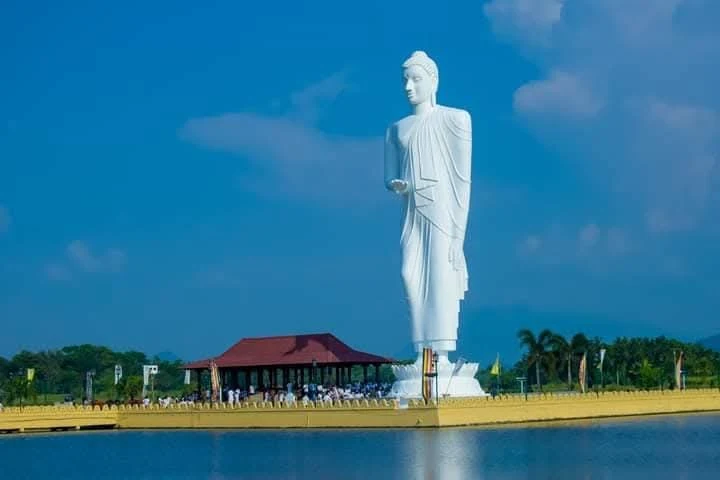
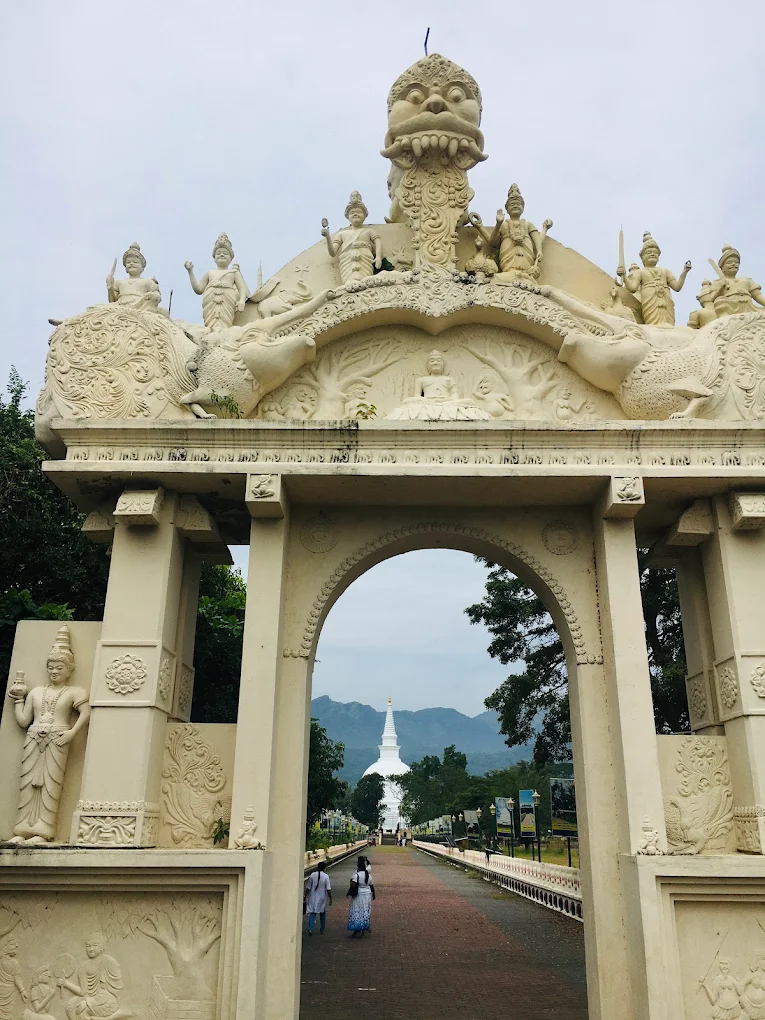
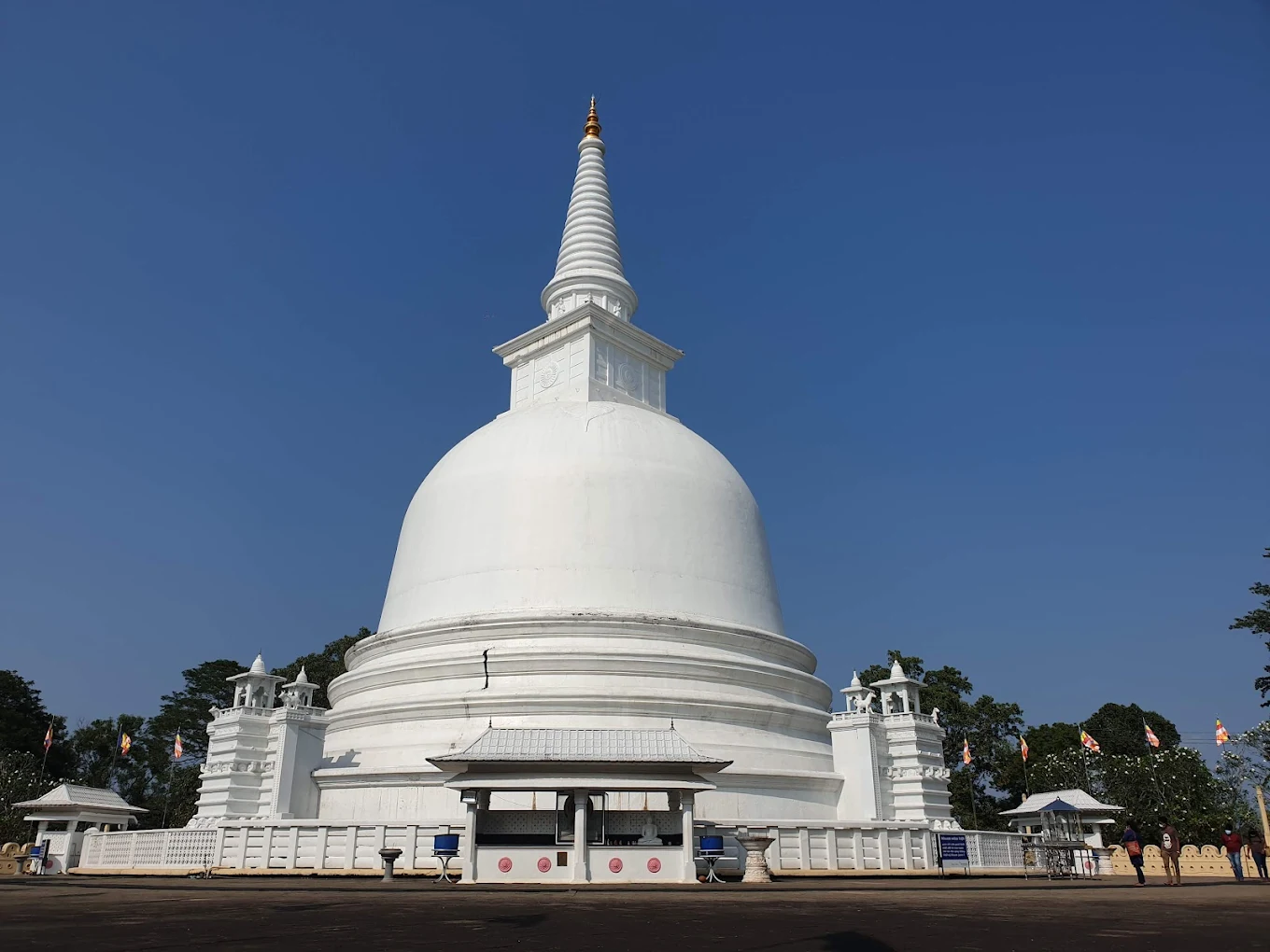
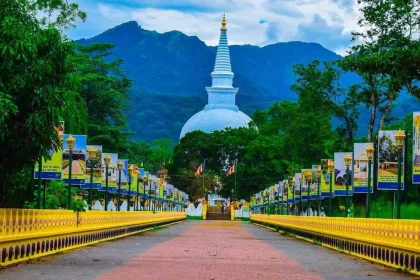
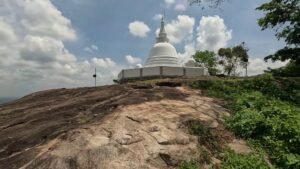
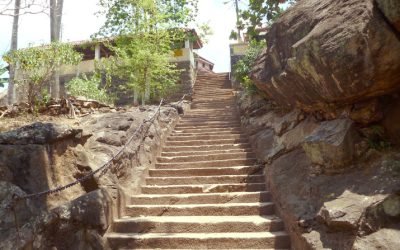
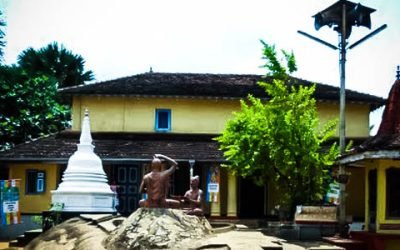
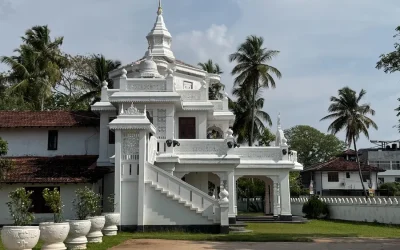
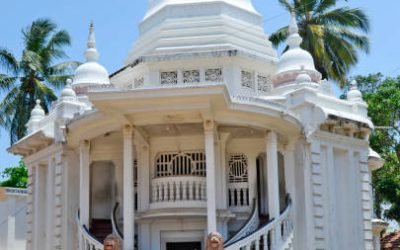
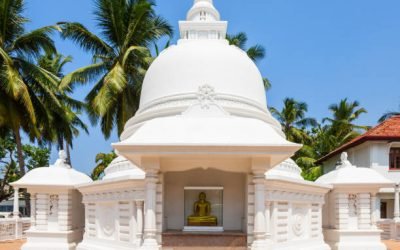
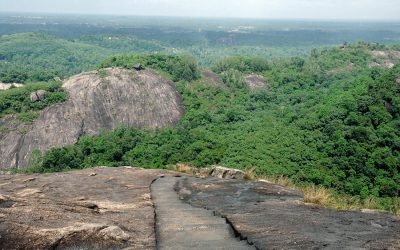
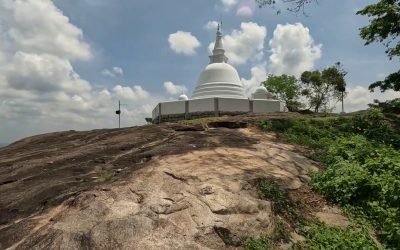
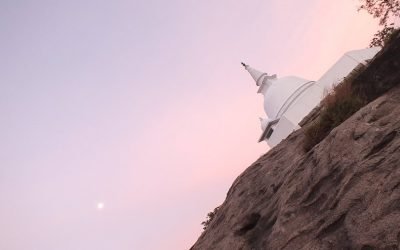
Nestled in the Uva Province of Sri Lanka, close to the banks of the majestic Mahaweli River, stands the Mahiyangana Raja Maha Vihara. It is one of the most hallowed Buddhist sites in the country, revered not just for its architectural beauty but for its profound spiritual legacy. The temple complex is dominated by a glistening white stupa (Dagoba), which rises gracefully against the backdrop of the misty Knuckles Mountain Range and the lush greenery of the Badulla district.
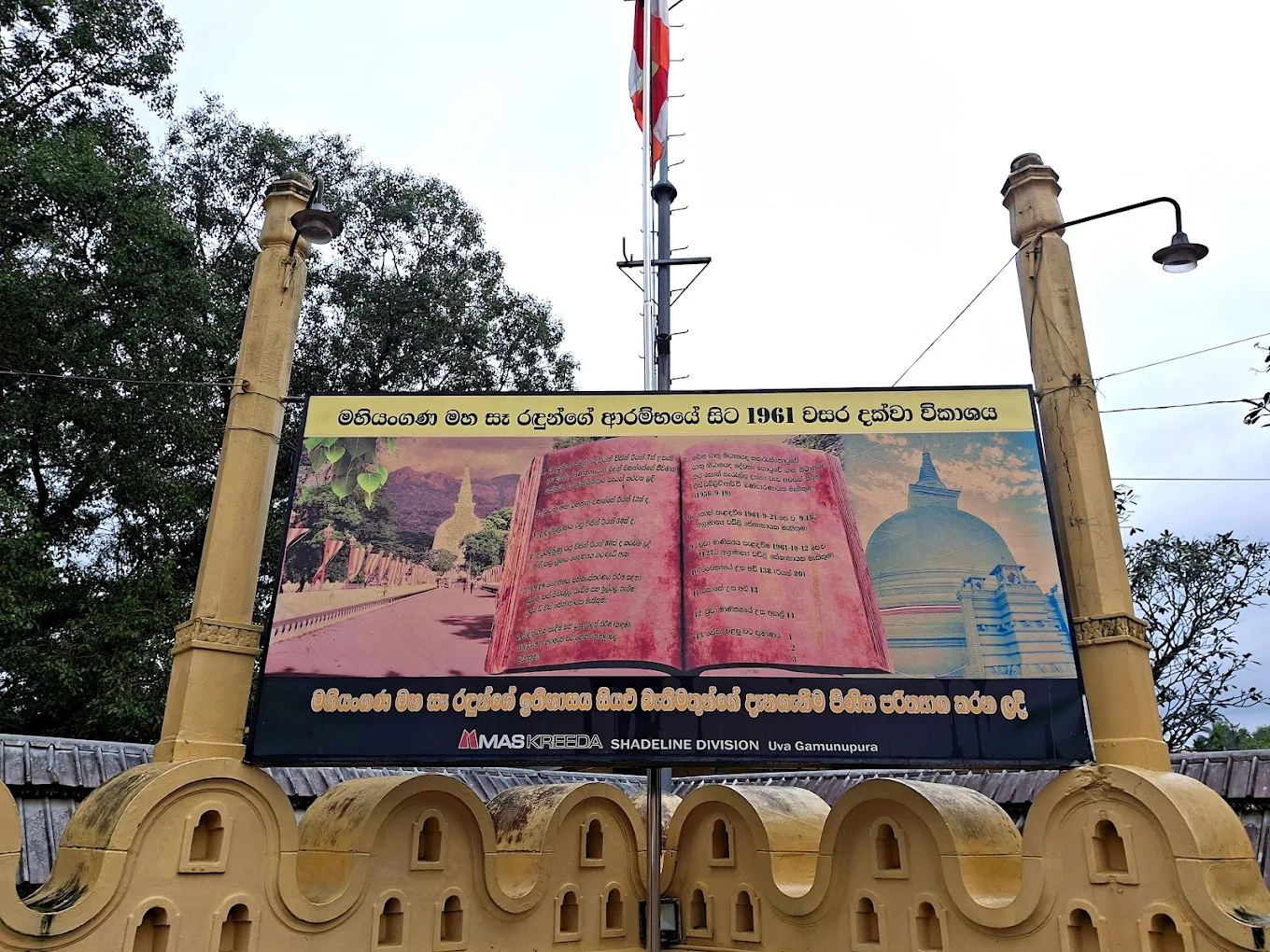
This sacred ground is historically significant as the site of the Gautama Buddha’s first visit to Sri Lanka. According to the Mahavamsa (the Great Chronicle), the Buddha arrived here just nine months after his enlightenment to settle a dispute between two tribes, the Yakkhas and Nagas. The location exudes a powerful sense of serenity, blending ancient history with the living devotion of thousands of pilgrims who visit daily. It is not merely a monument of brick and mortar, but a living testament to the island’s Buddhist heritage, believed to be the spot where the very first stupa in Sri Lanka was constructed.
The Mahiyangana Raja Maha Vihara holds the distinct honor of being one of the Solosmasthana (the 16 sacred places in Sri Lanka hallowed by the Buddha).
📜 The First Visit: Its primary importance lies in being the first place in Sri Lanka touched by the feet of the Buddha.
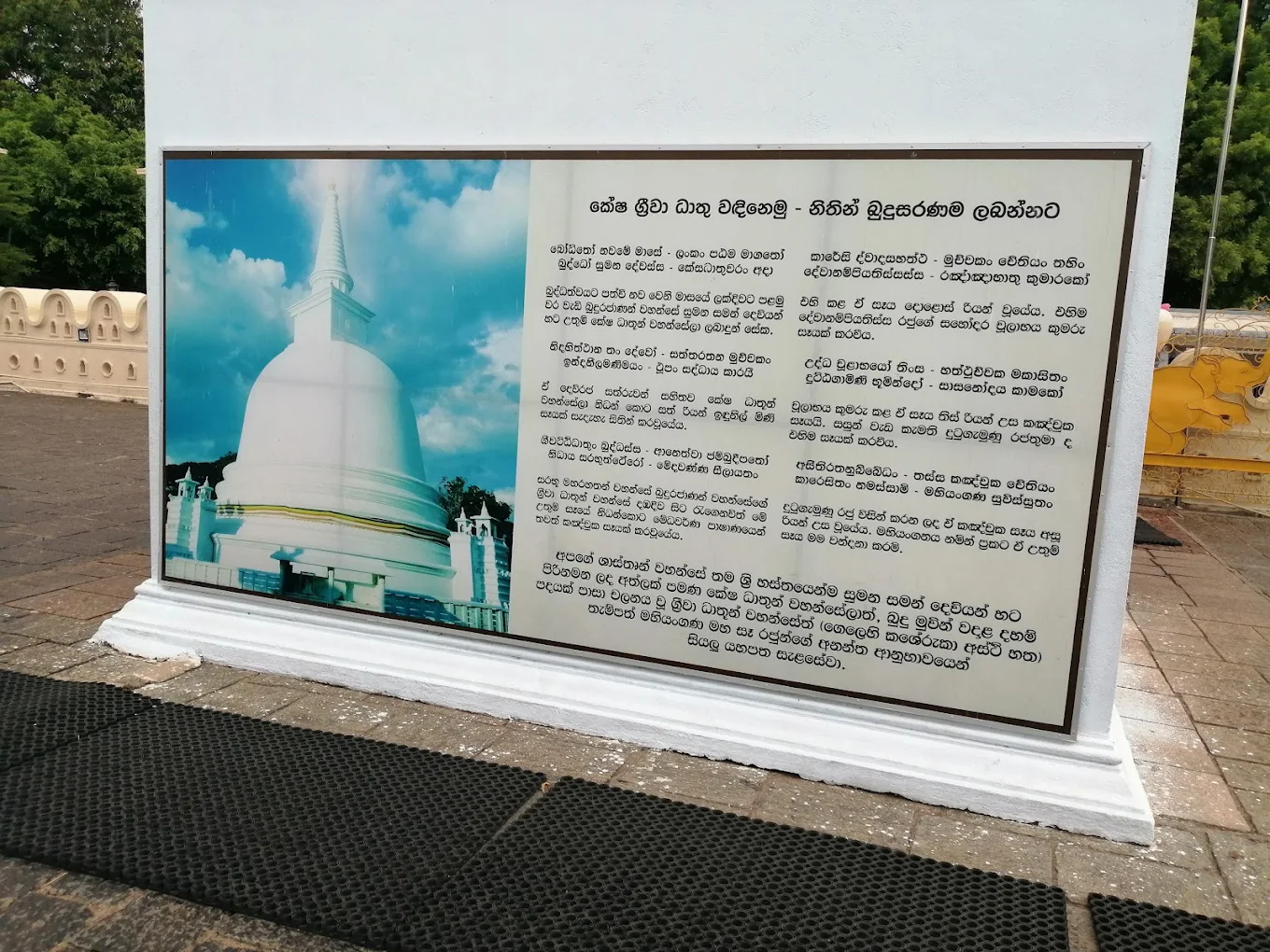
📜 Sacred Relics: The Stupa is unique because it enshrines two types of relics.
📜 The Hair Relic: Given by the Buddha to God Sumana Saman (the guardian deity of the area and Sri Pada) during his visit. God Saman enshrined these hair relics in a golden casket here, making it the first stupa built in the island’s history.
📜 The Collarbone Relic: Later, the Arhat Sarabhu Thero enshrined the collarbone relic of the Buddha in the same stupa.
📜 Spiritual Energy: Because of its association with God Saman and the Buddha, many devotees believe this ground holds immense spiritual power and protective blessings.
➡️ The Evolution of the Stupa: The original stupa built by God Saman was said to be made of emeralds and was only 7 cubits tall. Over centuries, various kings, including King Dutugemunu, expanded and renovated the structure to its current imposing size.
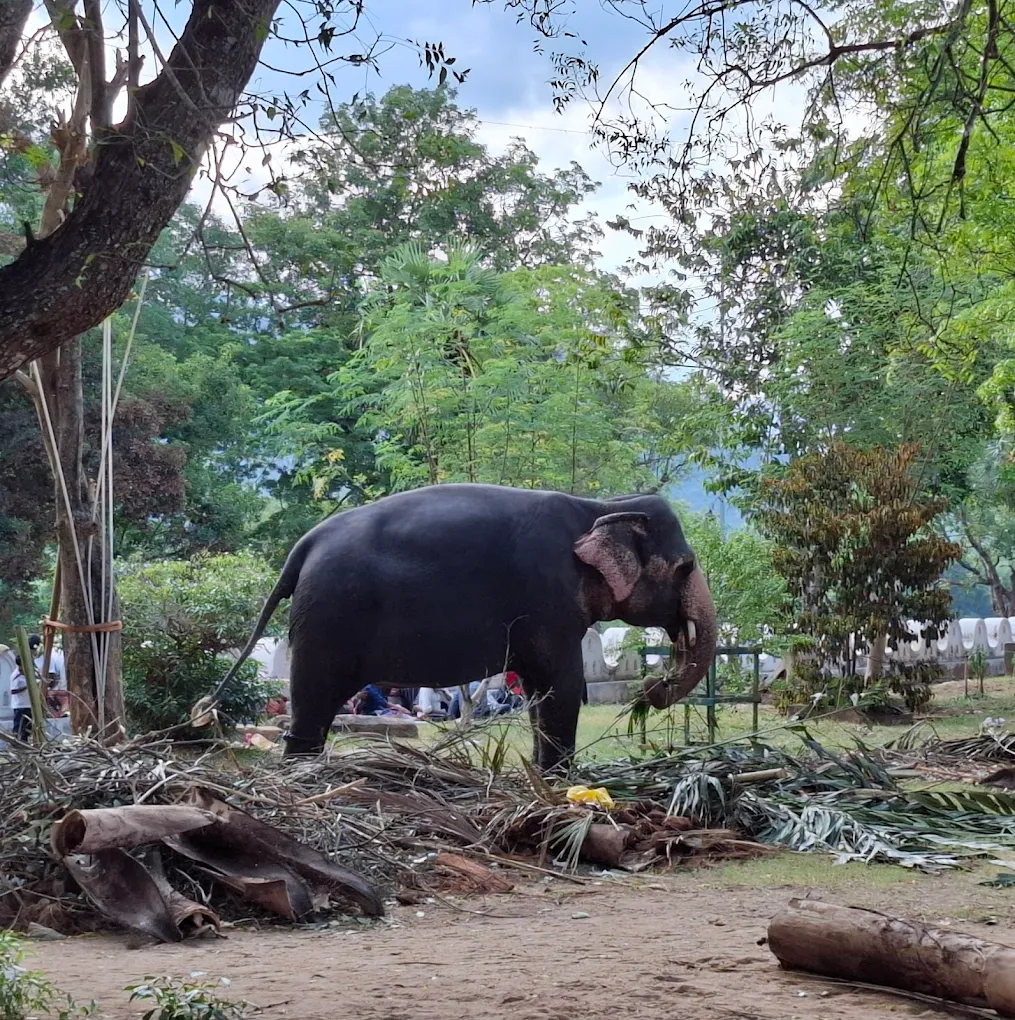
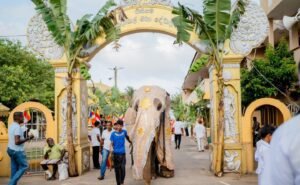
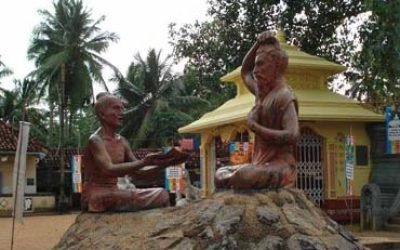
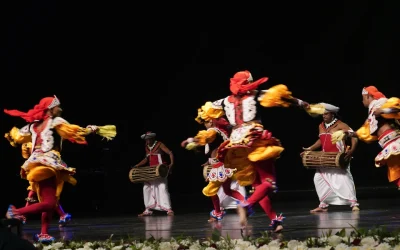
➡️ The Vedda Community: The temple has a unique cultural connection to the indigenous Vedda people (Adivasi). During the annual Mahiyangana Perahera (procession), the Vedda community plays a vital ceremonial role, performing their traditional dance (Vedi Perehara), symbolizing the ancient pact between their ancestors and the arrival of Buddhism.
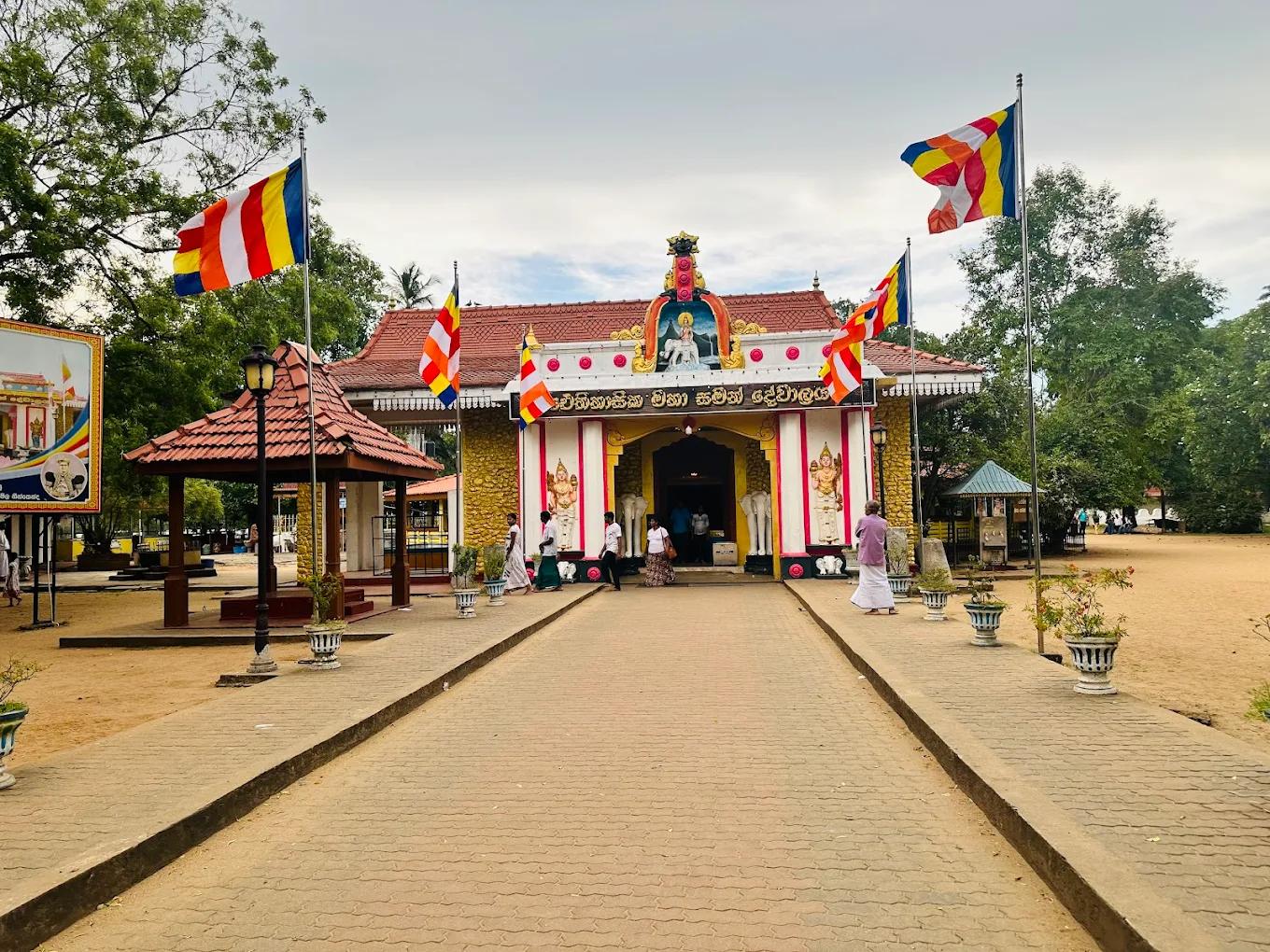
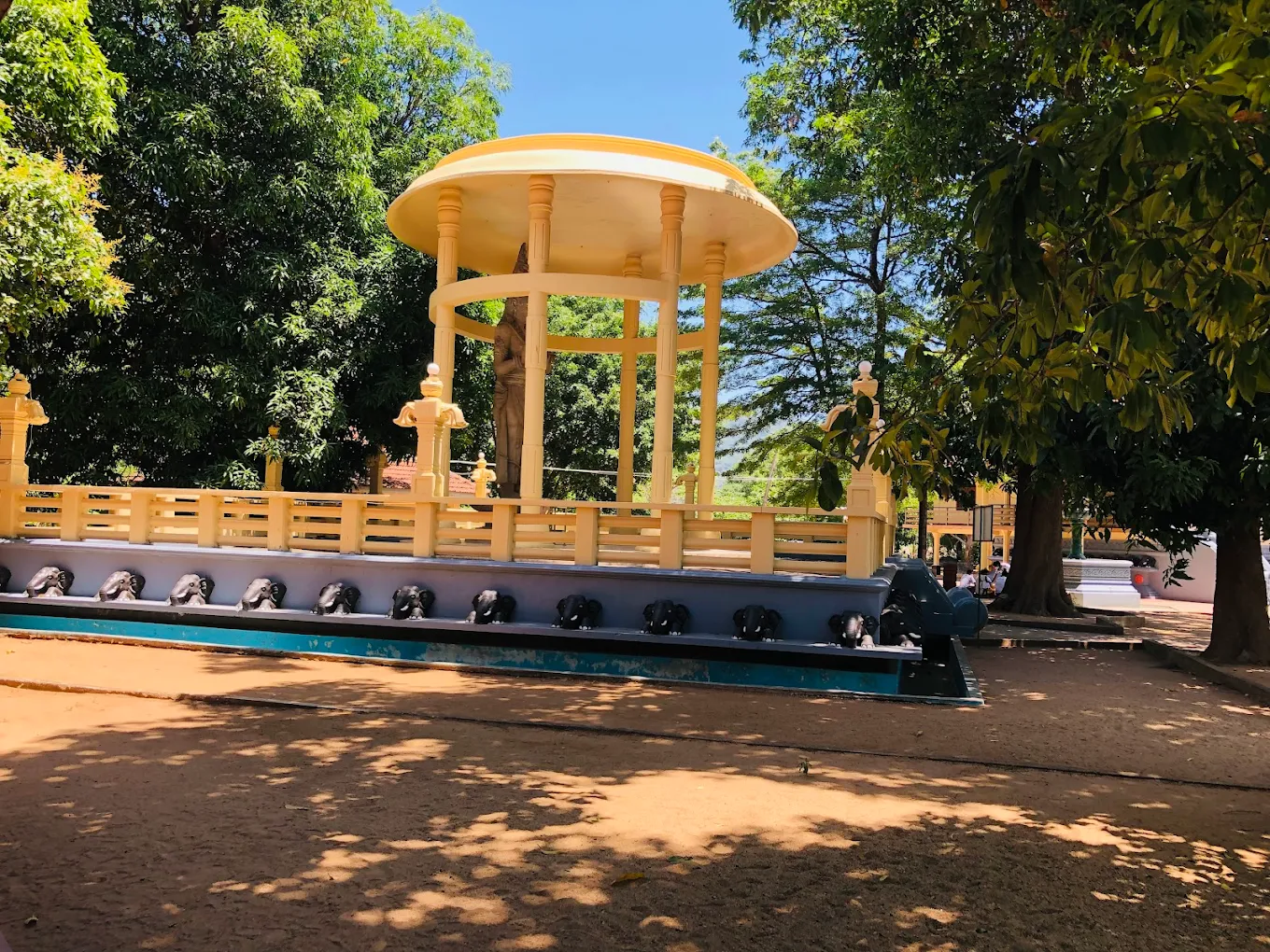
➡️ Saman Devalaya: Adjacent to the main stupa is a shrine dedicated to God Sumana Saman, which is a focal point for vows and seeking protection.
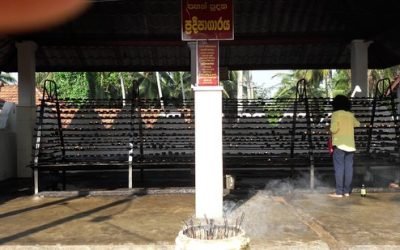
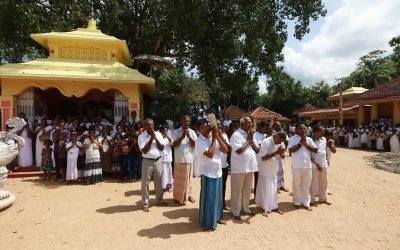
✅ Worship the Great Stupa: Offer flowers and circle the white stupa (Pradakshina) while chanting or meditating.
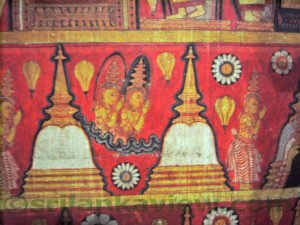
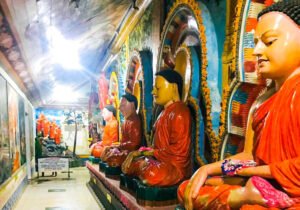
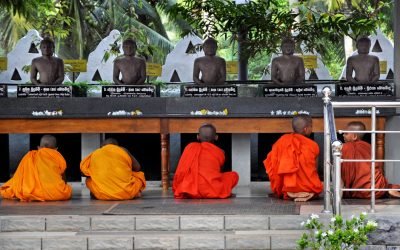
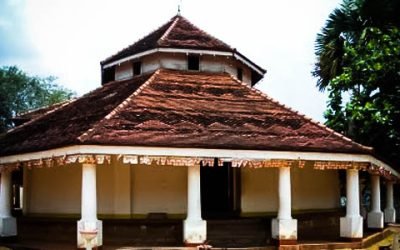
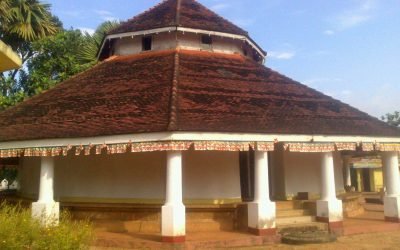
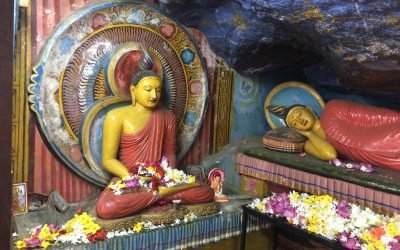
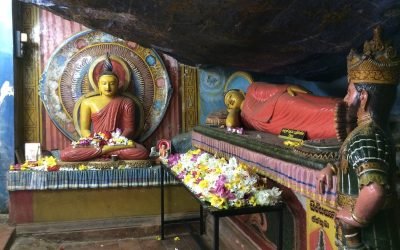
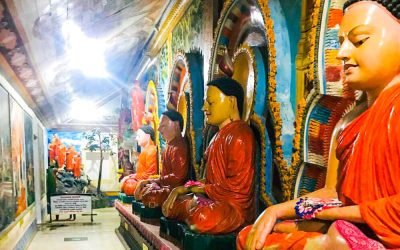
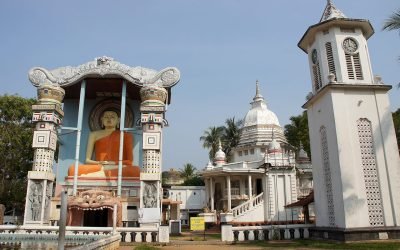
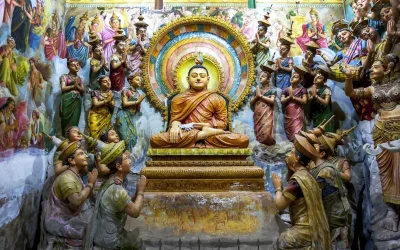
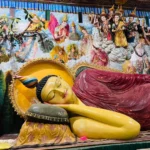
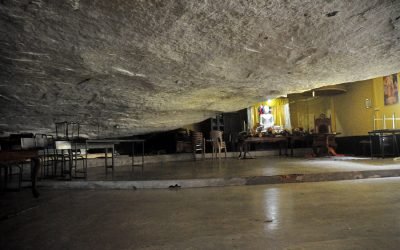
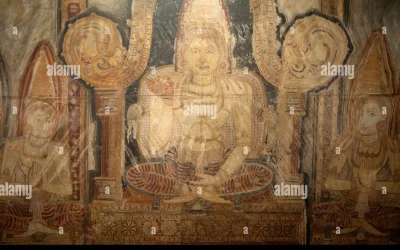
✅ Visit the Image House: Explore the shrine room filled with intricate murals depicting the life of the Buddha and the history of the temple.
✅ Offer Vows at Saman Devalaya: Make a wish or break a coconut at the shrine of God Saman.
✅ Walk by the Mahaweli River: A short walk from the temple takes you to the banks of Sri Lanka’s longest river. It is a peaceful spot for reflection.
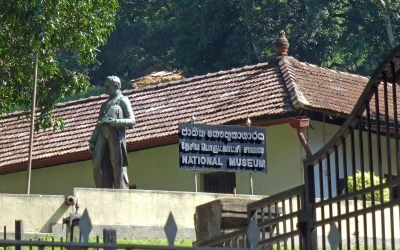
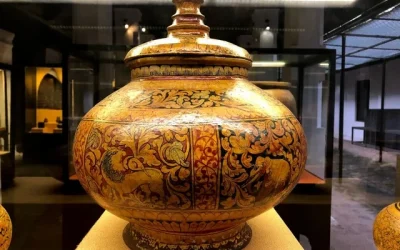
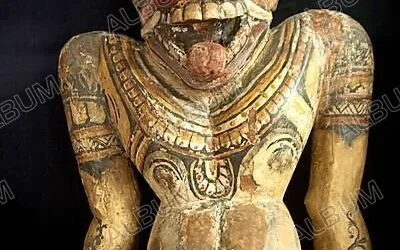
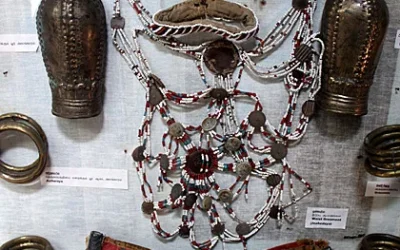
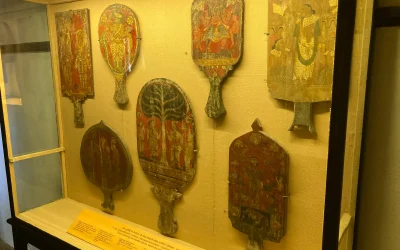
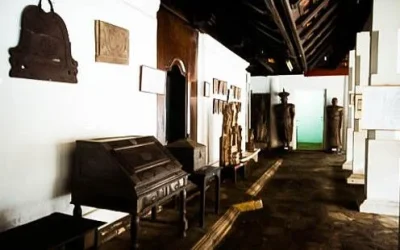
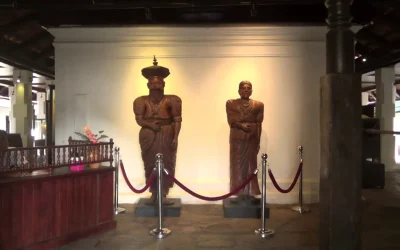
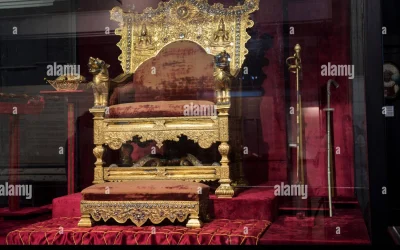
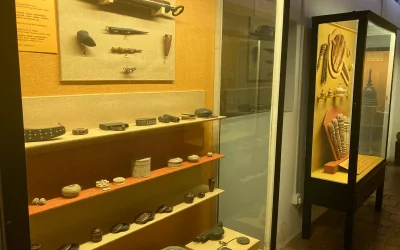
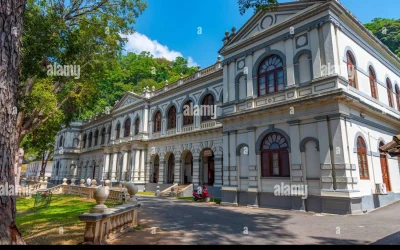
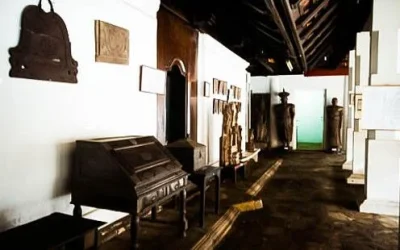
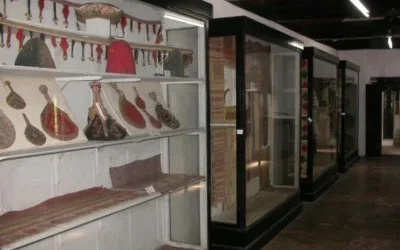
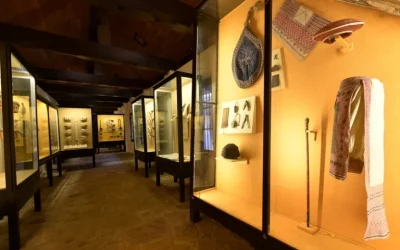
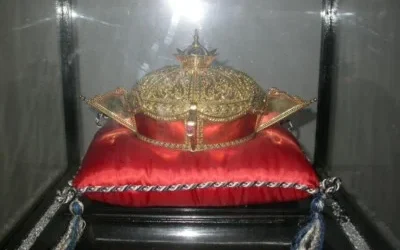
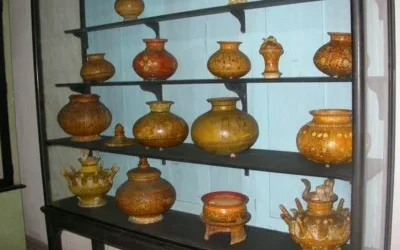
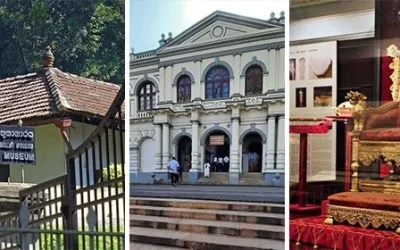
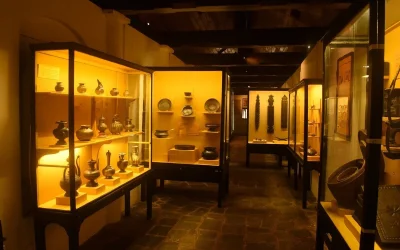
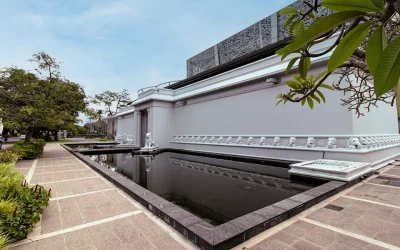
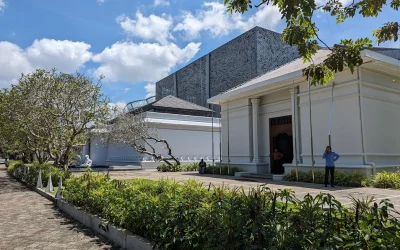
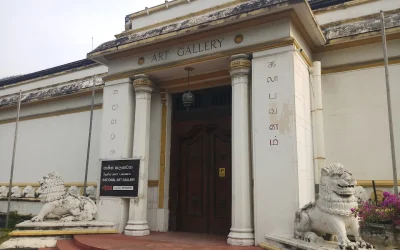
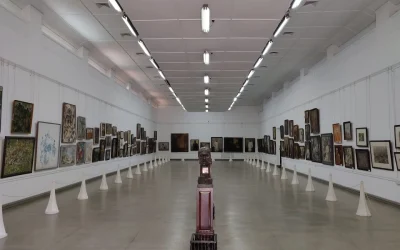
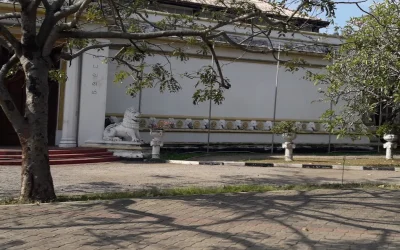
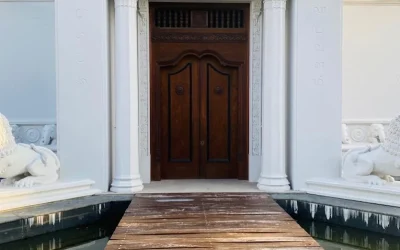
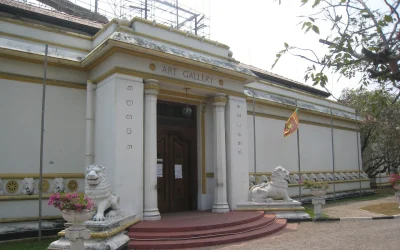
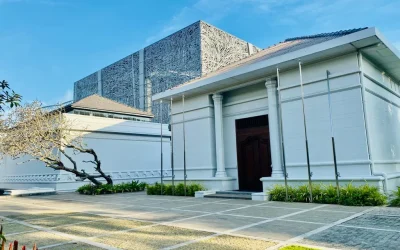
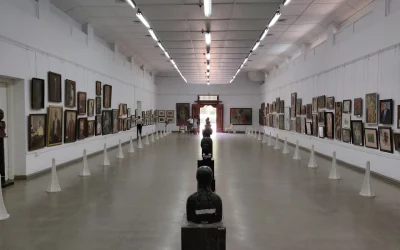
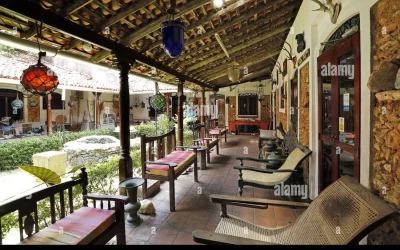
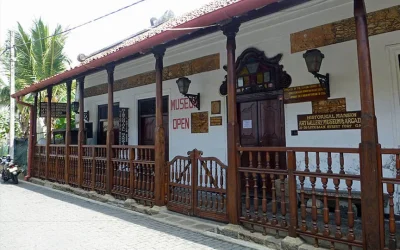
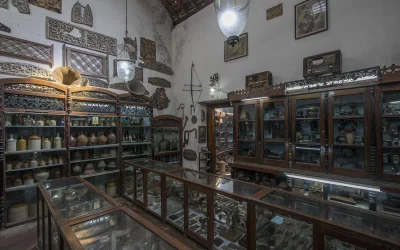
✅ Visit the Museum: There is a small museum on the premises displaying artifacts found during excavations.
Mahiyangana is located approximately 195 km from Colombo.
🚗 The Scenic Route (The 18 Bends): Take the route from Colombo to Kandy.
From Kandy, proceed towards Mahiyangana via the famous Raha-Ata Wanguwa (18 Bend Road). This road has been widened and carpeted, offering one of the most spectacular driving experiences in Sri Lanka with panoramic views of the valley below.
Alternative Route:
🚗 You can also travel via Avissawella – Ratnapura – Balangoda – Mahiyangana.
This is a longer but equally scenic route through the gem-mining districts.
🚌 By Bus: Direct long-distance buses run from Colombo (Pettah) to Mahiyangana.
Visiting Mahiyangana is a dual experience of nature and spirituality.
🌟 Awe: Seeing the massive white dome of the stupa against the blue sky is visually striking.
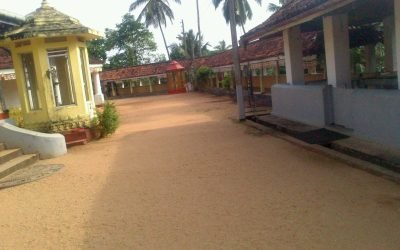
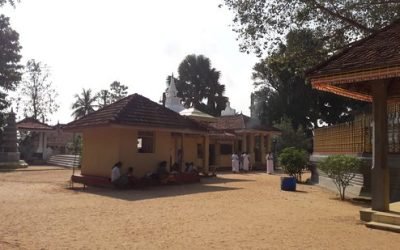
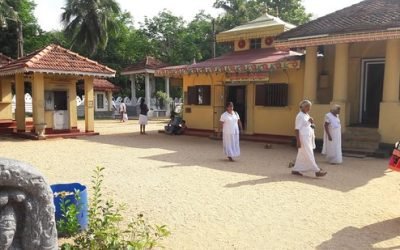
🌟 Peace: Despite the crowds, the temple grounds are incredibly spacious, allowing visitors to find a quiet corner for meditation.
🌟 Cultural Immersion: If you visit during the Perahera season (usually August/September), you will experience the vibrant drumming, dancing, and unique rituals of the Vedda people that are found nowhere else in the country.
🌟 Scenic Joy: The journey to the temple, specifically down the misty mountains of Kandy, is an adventure in itself.
⚠️ Dress Code is Strict: As with all Buddhist temples in Sri Lanka, you must wear clothing that covers your shoulders and knees. White clothing is highly recommended to blend in with the devotees.
⚠️ Remove Footwear: You must leave shoes and hats at the entrance. The sand can get very hot during the day, so it is best to visit early in the morning or late in the evening.
⚠️ Respect the Rituals: When photographing, do not turn your back to the Buddha statues (it is considered disrespectful). Ask for permission before photographing monks or people in prayer.
⚠️ Wild Elephants: If you are driving towards Mahiyangana at night, be cautious on the roads, as wild elephants are known to cross the highways in this region.
The Mahiyangana Raja Maha Vihara is not just a destination; it is the cradle of Buddhism in Sri Lanka. Whether you are a pilgrim seeking blessings or a traveler hunting for history and scenic beauty, this temple offers a profound connection to the island’s past. The journey through the mountains to reach this sacred riverside sanctuary is a memory that will stay with you forever.
මනරම් ඌව පළාතේ, මහවැලි ගඟ අසබඩ පිහිටා ඇති මහියංගන රජ මහා විහාරය, ශ්රී ලාංකීය බෞද්ධ ඉතිහාසයේ ඉතාමත්ම වැදගත් පුදබිමකි. මීදුමෙන් වැසුණු නකල්ස් කඳු පන්තියට සහ බදුල්ල දිස්ත්රික්කයේ සශ්රීක හරිත වර්ණයට මායිම්ව, ගම්භීර ලෙස නැඟී සිටින මෙම කිරි වෙහෙර වහන්සේ දුටු පමණින් සිතට මහත් ශාන්තියක් ගෙන දේ.
ගෞතම බුදුරජාණන් වහන්සේ බුද්ධත්වයෙන් නව මසකට පසු, යක්ෂ සහ නාග ගෝත්රිකයන් අතර ඇති වූ ගැටුමක් සංසිඳවීම සඳහා ශ්රී ලංකාවට වැඩම කළ පළමු ස්ථානය මෙය බව ‘මහාවංශයේ’ සඳහන් වේ. එබැවින් මෙය හුදෙක් ගඩොල් සහ බදාමයෙන් තැනූ ස්මාරකයක් පමණක් නොව, ලක්දිව බෞද්ධ උරුමයේ ජීවමාන සාක්ෂියකි. ලංකාවේ ඉදිවූ ප්රථම ස්තූපය පිහිටා ඇත්තේ ද මෙම පින්බිමේ ය.
මහියංගන රජ මහා විහාරය ශ්රී ලංකාවේ සොළොස්මස්ථාන (බුදුන් වහන්සේ වැඩම කළ පූජනීය ස්ථාන 16) අතරින් ප්රධාන තැනක් ගනී.
📜 ප්රථම ලංකා ගමනය: බුදුන් වහන්සේගේ පා පහස ලත් ලක්දිව පළමු භූමිය මෙයයි.
පූජනීය ධාතූන් වහන්සේලා: මෙම චෛත්යය විශේෂ වන්නේ එහි ධාතූන් වහන්සේලා වර්ග දෙකක් තැන්පත් කර ඇති බැවිනි.
📜 කේෂ ධාතු: බුදුන් වහන්සේ තම පළමු ලංකා ගමනේදී සුමන සමන් දෙවියන්ට ලබා දුන් කේෂ ධාතූන් වහන්සේලා රන් කරඬුවක බහා දෙවියන් විසින් මෙහි තැන්පත් කර මුල්ම සෑය බැඳි බව විශ්වාස කෙරේ.
📜 ග්රීවා ධාතු (අකු ධාතු): පසුව සරභූ මහ රහතන් වහන්සේ විසින් බුදුන්ගේ ග්රීවා ධාතුව ද මෙම ස්තූපයේම නිදන් කර ඇත.
📜 ආධ්යාත්මික ශක්තිය: සමන් දෙවියන්ගේ සහ බුදුන් වහන්සේගේ ආශිර්වාදය ඇති භූමියක් බැවින් මෙහි පුදුමාකාර ආධ්යාත්මික බලයක් ඇති බව බැතිමතුන් විශ්වාස කරති.
➡️ ස්තූපයේ ඉතිහාසය: සමන් දෙවියන් විසින් ඉදි කළ මුල්ම ස්තූපය ඉන්ද්රනීල මැණිකෙන් කළ බවත්, එය රියන් 7ක් උස බවත් සඳහන් වේ. පසුව දුටුගැමුණු රජු ඇතුළු විවිධ රජවරුන් විසින් එය වර්තමානයේ පවතින විශාල ප්රමාණය දක්වා ප්රතිසංස්කරණය කර ඇත.
➡️ ආදිවාසී (වැදි) ජනතාව: වාර්ෂික මහියංගන පෙරහැර මංගල්යයේදී ආදිවාසී ජනතාවට විශේෂ තැනක් හිමි වේ. ඔවුන්ගේ සාම්ප්රදායික නර්තනයන් (වැදි පෙරහැර) ඉදිරිපත් කිරීම තුළින් බුදු දහම පැමිණි මුල් අවධියේ සිට පැවත එන ඓතිහාසික සබඳතාවය විදහා දක්වයි.
➡️ සමන් දේවාලය: ප්රධාන ස්තූපයට යාබදව සුමන සමන් දෙවියන් උදෙසා කළ දේවාලයක් පවතින අතර, එය බාරහාර වීම සඳහා ප්රසිද්ධය.
✅ මහා සෑය වන්දනා කිරීම: මල් පූජා කර, ගාථා කියමින් හෝ භාවනා කරමින් සුදු පැහැති චෛත්යය වටා පැදකුණු කිරීම (Pradakshina).
✅ විහාර ගෙය නැරඹීම: බුදුන් වහන්සේගේ ජීවිතය සහ පන්සලේ ඉතිහාසය නිරූපණය කරන අලංකාර බිතුසිතුවම් සහිත විහාර මන්දිරය නැරඹීම.
✅ සමන් දේවාලයේ පූජා පැවැත්වීම: සමන් දෙවියන්ගේ ආශිර්වාදය ලබා ගැනීම හෝ පොල් ගැසීම.
✅ මහවැලි ගං ඉවුරේ ඇවිදීම: පන්සලේ සිට කෙටි දුරක් ඇවිද ගිය විට ශ්රී ලංකාවේ දිගම ගඟ අසලට ළඟා විය හැක. එය සිත නිවන සොඳුරු ස්ථානයකි.
✅ කෞතුකාගාරය නැරඹීම: කැණීම්වලදී හමුවූ පුරාවස්තු ප්රදර්ශනය කරන කුඩා කෞතුකාගාරයක් ද විහාර භූමියේ ඇත.
කොළඹ සිට මහියංගනයට දුර ආසන්න වශයෙන් කිලෝමීටර 195ක් පමණ වේ.
🚗 සුන්දරම මාර්ගය (දහ අට වංගුව):කොළඹ සිට නුවරට පැමිණෙන්න.
නුවර සිට සුප්රසිද්ධ දහ අට වංගුව (18 Bends) හරහා මහියංගනයට ගමන් කරන්න. කාපට් අතුරා සංවර්ධනය කර ඇති මෙම මාර්ගය, පහළ නිම්නයේ අසිරිය විඳිමින් යා හැකි සුන්දර ගමනාන්තයකි.
විකල්ප මාර්ගය:
🚗 ඔබට අවිස්සාවේල්ල – රත්නපුර – බලංගොඩ හරහා ද මහියංගනයට ළඟා විය හැකිය. මැණික් පුරය හරහා වැටී ඇති මෙය ද ඉතා මනරම් මාර්ගයකි.
🚌 බස් රථයෙන්: කොළඹ (පිටකොටුව) සිට මහියංගනය දක්වා ධාවනය වන සෘජු බස් රථ සේවා ඇත.
මහියංගනය සංචාරය යනු ස්වභාවධර්මය සහ ආධ්යාත්මික බව මුසු වූ අත්දැකීමකි.
🌟 ගෞරවය හා භක්තිය: නිල් අහසට එරෙහිව නැඟී සිටින දැවැන්ත සුදු චෛත්යය දකින විට සිතට දැනෙන හැඟීම වචනයෙන් විස්තර කළ නොහැක.
🌟 මානසික සහනය: ජනාකීර්ණ වුවද, විහාර භූමිය ඉතා විශාල බැවින් භාවනා කිරීමට නිස්කලංක තැනක් සොයා ගැනීම අපහසු නැත.
🌟 සංස්කෘතික අත්දැකීම්: ඔබ පෙරහැර සමයේ (සාමාන්යයෙන් අගෝස්තු/සැප්තැම්බර්) සංචාරය කරන්නේ නම්, ආදිවාසී ජනතාවගේ පාරම්පරික චාරිත්ර දැක බලා ගත හැක.
⚠️ ඇඳුම් පැළඳුම්: විහාරස්ථානයට ඇතුළු වන විට උරහිස් සහ දණහිස් ආවරණය වන පරිදි සංවර ඇඳුමක් ඇඳීම අනිවාර්ය වේ. බැතිමතුන් හා එක්වීමට සුදු පැහැති ඇඳුම් වඩාත් යෝග්ය වේ.
⚠️ පාවහන් ගැලවීම: ඇතුල්වීමේදී පාවහන් හා හිස්වැසුම් ඉවත් කළ යුතුය. දහවල් කාලයේදී වැලි මළුව ඉතා රත් විය හැකි බැවින්, උදෑසනම හෝ සවස් කාලයේ වන්දනාවට යාම වඩාත් සුදුසුය.
⚠️ ඡායාරූප ගැනීම: බුද්ධ ප්රතිමා වලට පිටුපා ඡායාරූප ගැනීමෙන් වළකින්න. භික්ෂූන් වහන්සේලා හෝ වන්දනාකරුවන් ඡායාරූප ගත කිරීමට පෙර අවසර ගන්න.
⚠️ වන අලි අවදානම: ඔබ රාත්රී කාලයේ මහියංගනය දෙසට රිය පැදවන්නේ නම් මාර්ගයේ සිටිය හැකි වන අලි ගැන සැලකිලිමත් වන්න.
මහියංගන රජ මහා විහාරය යනු හුදෙක් සංචාරක ගමනාන්තයක් නොව, ලක්දිව බුදු සසුනේ තොටිල්ලයි. ඔබ ආශිර්වාද බලාපොරොත්තු වන බැතිමතෙකු හෝ ඉතිහාසය හා සොබාදහම සොයා යන සංචාරකයෙකු වුවද, මෙම පින්බිම ඔබට අමතක නොවන මතකයක් වනු ඇත. කඳුකරය මැදින් වැටී ඇති සුන්දර මාර්ගය ඔස්සේ ගොස්, මහවැලි ගං තෙර පිහිටි මෙම සොඳුරු පුදබිම වැඳපුදා ගැනීම ජීවිතයේ එක් වරක් හෝ කළ යුතුම දෙයකි.



There are no results matching your search
“Please note: Distance calculations may slightly differ from the actual distance. Kindly confirm the route before you begin your journey.”

233 Places Hosted
The Destination
There are no results matching your search
“Please note: Distance calculations may slightly differ from the actual distance. Kindly confirm the route before you begin your journey.”
“All the credits for Videos, Images & contents goes to respective owners.”
The content on this website, including images and videos, is sourced from various third parties. We do not claim ownership unless stated. If you believe your rights are violated, please contact us at dayoutbook@gmail.com. You can also click on the above “Claim” button to submit a ticket and briefly mention your details and concerns for immediate action. We will promptly credit, modify, or remove the content as necessary.
Use of this website is at your own discretion and risk












There are no results matching your search

The content on this website, including images and videos, is sourced from various third parties. We do not claim ownership unless stated. If you believe your rights are violated, please contact us at dayoutbook@gmail.com. We will promptly credit, modify, or remove the content as necessary. Use of this website is at your own discretion and risk.
See full Disclaimer for more info
© 2025 – All Rights Reserved. Made by Dayoutbook Team