Home
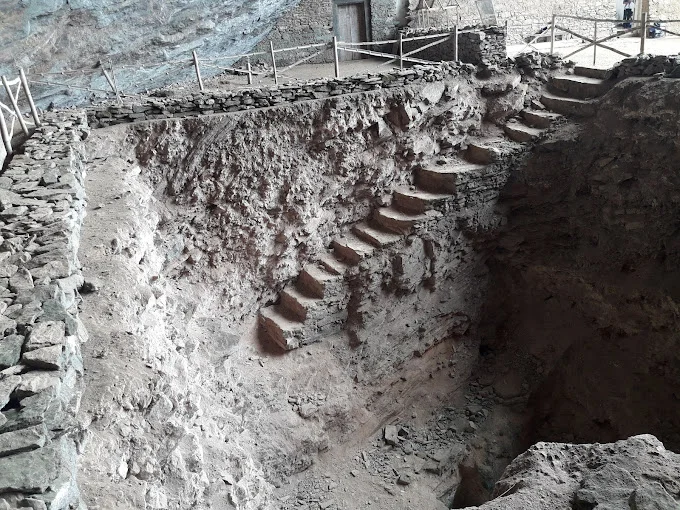
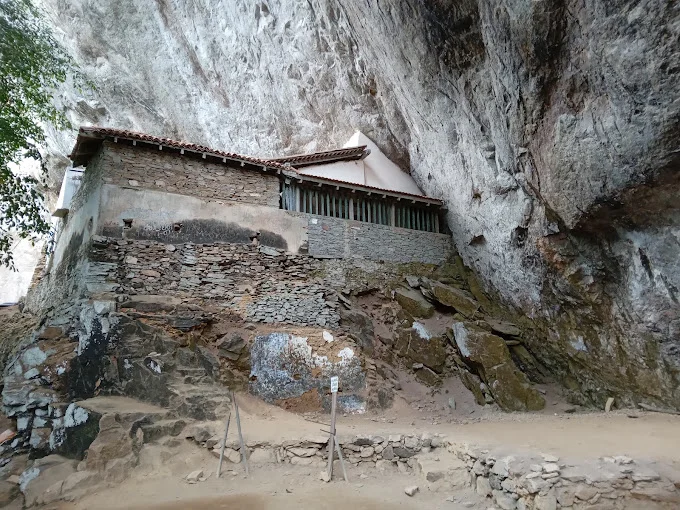
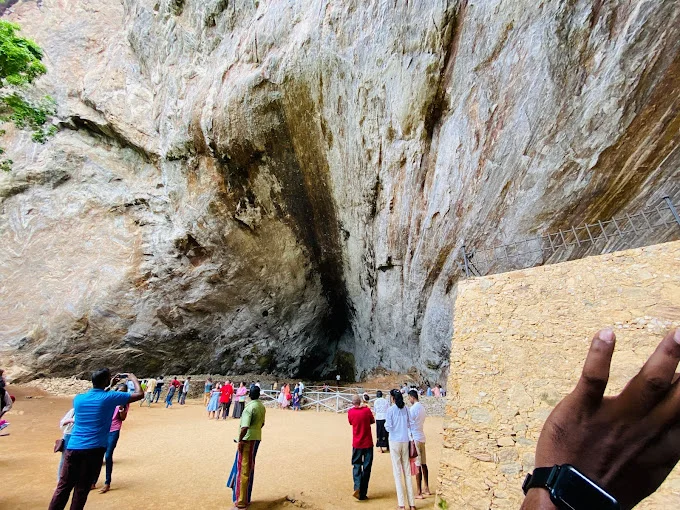
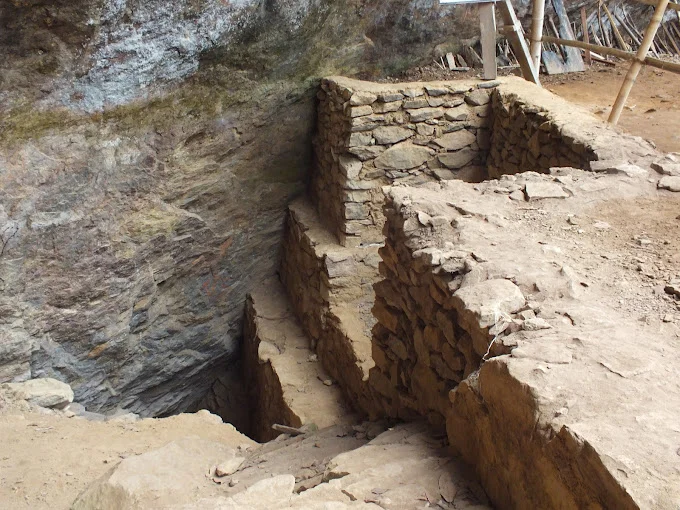
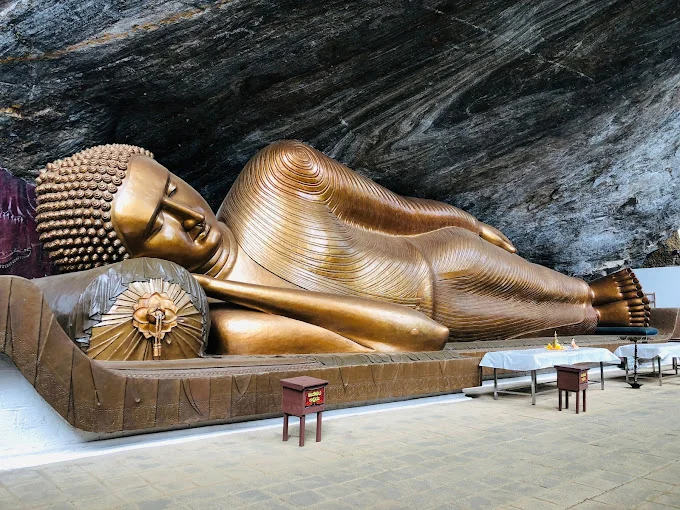
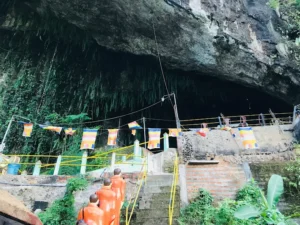
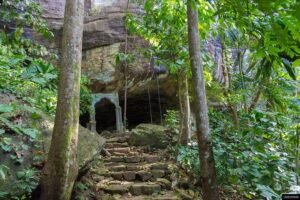
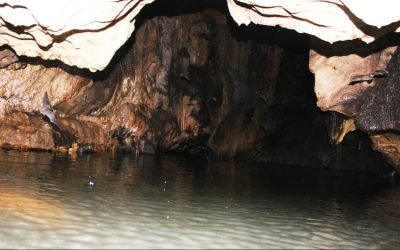
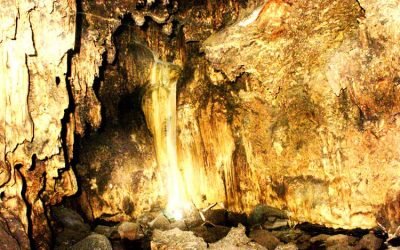
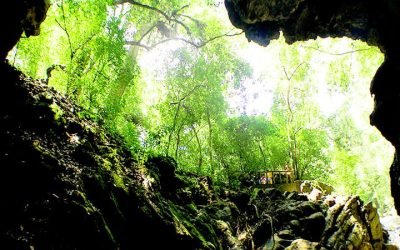
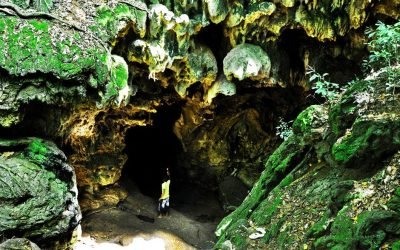
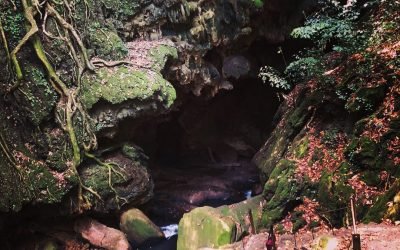
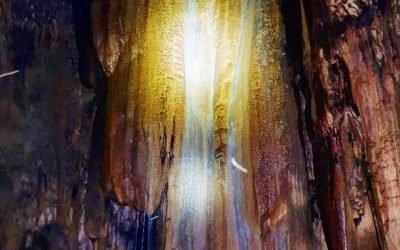
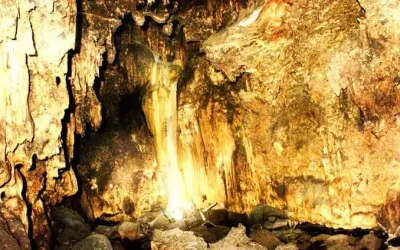
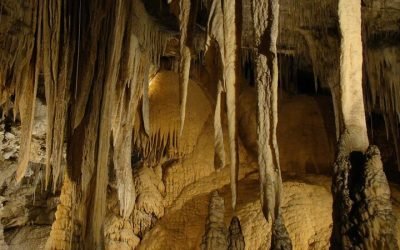
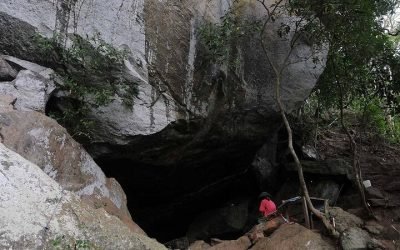
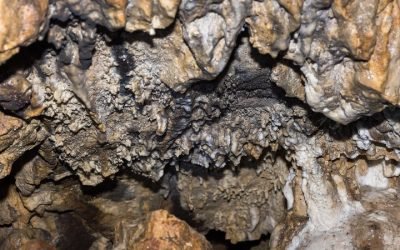
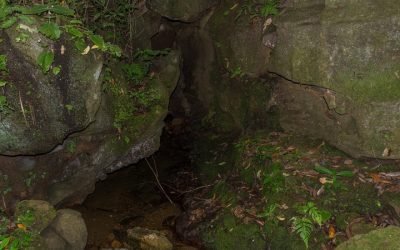
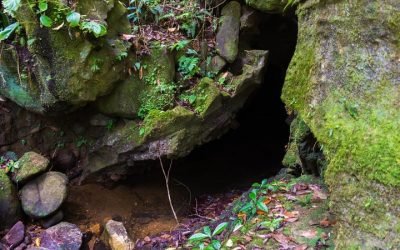
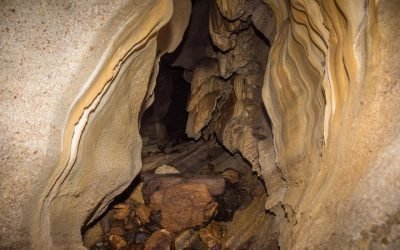
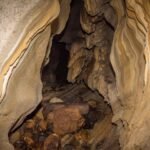
Pahiyangala Cave, located in Bulathsinhala, Sri Lanka, is one of Asia’s most important prehistoric archaeological sites. Archaeologists have discovered evidence that humans lived here around 37,000 years ago, making it the oldest known prehistoric settlement in Asia. The cave is not only significant for its ancient human remains but also for its deep connection to Buddhist history.
Today, it serves as a Buddhist temple, featuring a 40-foot-long reclining Buddha statue, attracting both pilgrims and travelers who wish to explore its ancient mysteries and religious heritage.
Prehistoric Era (37,000 years ago):
Excavations revealed human skulls, stone tools, and animal bones, showing that ancient people—known as Pahiyangala Manawakaya (Pahiyangala Man)—hunted and ate wild animals, edible snails, and breadfruit. These early inhabitants had broad jawbones and strong teeth, typical of prehistoric humans.
Buddhist Connection (5th Century A.D.):
The cave is named after Fa-Hien (Faxian), a Chinese Mahayana Buddhist monk who visited Sri Lanka in 411 A.D. during his pilgrimage to Sri Pada (Adam’s Peak). He is believed to have stayed in the cave during his journey. Archaeologists even discovered a clay vessel thought to have belonged to him.
Modern Era (20th Century):
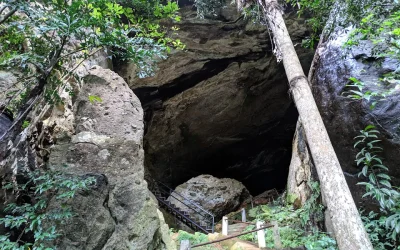
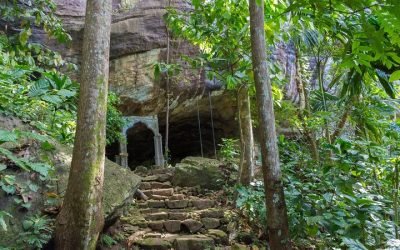
In the 1940s, a Chinese monk named Thiashu Sangaraju also stayed at the cave. Later, Ven. Poranagama Thero transformed it into a temple by clearing the entrance, leveling the ground, and installing the large reclining Buddha statue. He used a heavy 6-foot iron bar called Yakula—which now lies at the feet of the Buddha statue—and built two massive wooden door frames that still stand at the entrance.
Elevation: 400 feet above sea level
Entrance height: 175 feet
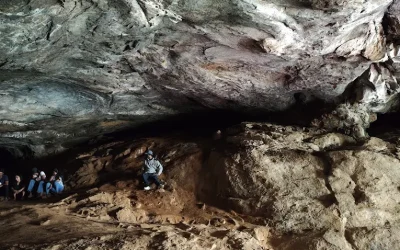
Width: over 200 feet, capable of accommodating around 3,000 people
Divided into four sections, with the largest area on the left
🚗────── 🏞️ ✈️ 🏕️ ──────🚗
බුලත්සිංහලේ පිහිටි පහියන්ගල ගුහාව ශ්රී ලංකාවේ විශිෂ්ටතම පුරාණ පුරාවිද්යාත්මක ස්ථානයක් වන අතර, එය ඒසියාවේ පැරණිතම මනුෂ්ය පදිංචිය ලෙසද හැඳින්වේ. පුරාවිද්යාඥයන් අනුව, මෙහි මනුෂ්ය පදිංචිය වසර 37,000කට පෙර පැවති බව තහවුරු වී ඇත.
මෙම ගුහාව පුරාවිද්යාත්මක වටිනාකමටත්, බෞද්ධ ඉතිහාසයේ ගැඹුරු සම්බන්ධතාවයකටත් ප්රසිද්ධය.
අද මෙය බෞද්ධ විහාරස්ථානයක් ලෙස භාවිත වන අතර, එහි අඩි 40ක දිග විවේක බුදු ප්රතිමාවක් ද දැකිය හැක. පුරාණත්වය හා ආගමික වැදගත්කම එකට රැඳුණු මෙම ස්ථානයට භක්ත ජනතාව හා සංචාරිකයින් බොහෝ දෙනා පිවිසෙති.
🪶 පුරාණ යුගය (වසර 37,000කට පෙර):
පහියන්ගල ගුහාවේ සිදුකළ පුරාවිද්යාත්මක උත්පතනයකදී මනුෂ්ය හිස්කෙස්, ගල් මෙවලම් සහ සතුන්ගේ අස්ථි සොයාගන්නා ලදී. මෙය පෙන්වා දෙනුයේ පහියන්ගල මනුෂ්යයා (Pahiyangala Manawakaya) යන නමින් හැඳින්වෙන පුරාණ මිනිසුන් මෙහි ජීවත්ව තිබූ බවයි. ඔවුන් වනාන්තර සතුන්, කැවිස් (ආහාරයට සුදුසු ගොළියන්) සහ දොල් වර්ග භුක්ති විඳීමේ සාධකද සොයා ගන්නා ලදි.
🕊️ බෞද්ධ සම්බන්ධය (ක්රි.ව. 5 වන ශතවර්ෂය):
මෙම ගුහාවට නම ලැබී ඇත්තේ චීන මහායාන බෞද්ධ භික්ෂුවක් වූ ෆා-හියන් (Fa-Hien / Faxian) ගෙන්ය. ඔහු ක්රි.ව. 411 දී ශ්රී පාදය (ආදම්ස් පර්වතය) නමැති ශුද්ධ පර්වතය නමස්කාර කිරීමට ශ්රී ලංකාවට පැමිණි අතර, ඔහු ගමනකදී මෙම ගුහාව තුළ සති කිහිපයක් ජීවත්වූ බව විශ්වාස කෙරේ. ගුහාව තුළින් ඔහුට අයත් යැයි සැලකෙන මൺ පානක්ද සොයා ගන්නා ලදී.
🪔 නව යුගය (20 වන ශතවර්ෂය)
1940 දශකයේදී, Thiashu Sangaraju නමැති චීන භික්ෂුවක් මෙහි වාසය කළේය. පසුව වෙන. පොරණගම ස්ථවිර හිමි ගුහාව පිරිසිදු කරමින්, බුදු ප්රතිමාව සහිත විහාරයක් ලෙස පරිවර්තනය කළේය. ඔහු මෙහි ප්රවේශය විවෘත කිරීමට අඩි 6ක උසින් යකුලක් (යකඩ කුටියක් සමාන උපාංගයක්) භාවිතා කළ අතර, එය දැන් බුදු ප්රතිමාවේ පාද යටේ බඳින ලදි. තවද, ඔහු විසින් නිර්මාණය කළ විශාල දොර රාමුවලින් දෙකක්ද අදත් විහාර මුවයේ දැකිය හැක.
උස: මුහුදු මට්ටමින් අඩි 400ක්
ප්රවේශ උස: අඩි 175ක්
පළල: අඩි 200කට වැඩි — පුද්ගලයන් 3,000කට ආසන්න සංඛ්යාවක් ඇතුළත අතුළත් විය හැක
ගුහාව අංශ 4ක ලෙස බෙදී ඇත, එමගින් විශාලතම කොටස වම පැත්තේ පිහිටයි
🚗────── 🏞️ ✈️ 🏕️ ──────🚗

There are no results matching your search
“Please note: Distance calculations may slightly differ from the actual distance. Kindly confirm the route before you begin your journey.”

11 Places Hosted



There are no results matching your search
“Please note: Distance calculations may slightly differ from the actual distance. Kindly confirm the route before you begin your journey.”
“All the credits for Videos, Images & contents goes to respective owners.”
The content on this website, including images and videos, is sourced from various third parties. We do not claim ownership unless stated. If you believe your rights are violated, please contact us at dayoutbook@gmail.com. You can also click on the above “Claim” button to submit a ticket and briefly mention your details and concerns for immediate action. We will promptly credit, modify, or remove the content as necessary.
Use of this website is at your own discretion and risk










There are no results matching your search

The content on this website, including images and videos, is sourced from various third parties. We do not claim ownership unless stated. If you believe your rights are violated, please contact us at dayoutbook@gmail.com. We will promptly credit, modify, or remove the content as necessary. Use of this website is at your own discretion and risk.
See full Disclaimer for more info
© 2025 – All Rights Reserved. Made by Dayoutbook Team